
More than a tech conference, Web3 Summit returns to Berlin as a collaborative festival where builders, artists, and cultural thinkers come together to participate in and shape usable, human-centered Web3.
Web3 Summit returns to Funkhaus Berlin on June 18–19 with a vision that reaches beyond the standard tech conference. More than a gathering for builders, it is a participatory festival that brings together builders, artists, technologists, and thinkers to explore a more human-centered digital future — one for people who believe technology should serve human autonomy, not extract it.
Framed as a festival for digital freedom, the Summit focuses on practical, usable technology and approaches the ideas driving it from a cultural lens. Rather than treating self-sovereignty, privacy, and usability as purely technical challenges, the Summit asks what it means historically, socially, and creatively. Essentially, it invites people to express ideas about digital freedom not only through infrastructure or code, but also through art, open dialogue, and active participation.
Sovereignty didn’t begin with the internet
In Web3, sovereignty is often framed in technical terms, referring to control over identity, data, assets, and communication. But long before digital systems, sovereignty was shaped through philosophy, political thought, craft traditions, and cultural self-determination. It has always been tied to questions of autonomy, agency, ownership, and the right to participate in shaping the conditions of one’s own life.
Web3 Summit 2026: A festival for digital freedom builds on that broader history, treating sovereignty not as a buzzword or product feature, but as a living idea with historical and cultural depth. In doing so, it moves the conversation beyond Web3’s usual technical echo chambers.
This year’s program opens the arena for voices technologists do not hear often enough: artists, cultural practitioners, critical thinkers, and contributors whose work engages questions of agency, identity, power, and participation from outside the usual industry frame. That shift matters. If the future of digital life is to be genuinely centered, it cannot be built through engineering alone. It must be collectively shaped by people who understand how digital systems influence culture, expression, behavior, and social interaction. By widening the conversation, the Summit challenges not only what’s being built, but also how digital freedom itself is reimagined.
The venue carries a message
The Summit’s setting is not incidental; it’s part of the story.
Held at Funkhaus Berlin — the former broadcasting home of East German radio, built in the 1950’s as a monumental site of sound, media, and public communication of political and philosophical ideas — the Summit unfolds in space already shaped by authorship, transmission, and power. This rich history makes Funkhaus more than an atmospheric venue, turning the event itself into a statement as it brings people together to imagine a more human-centered, participatory, and decentralized digital future in a place once built to broadcast culture at scale.
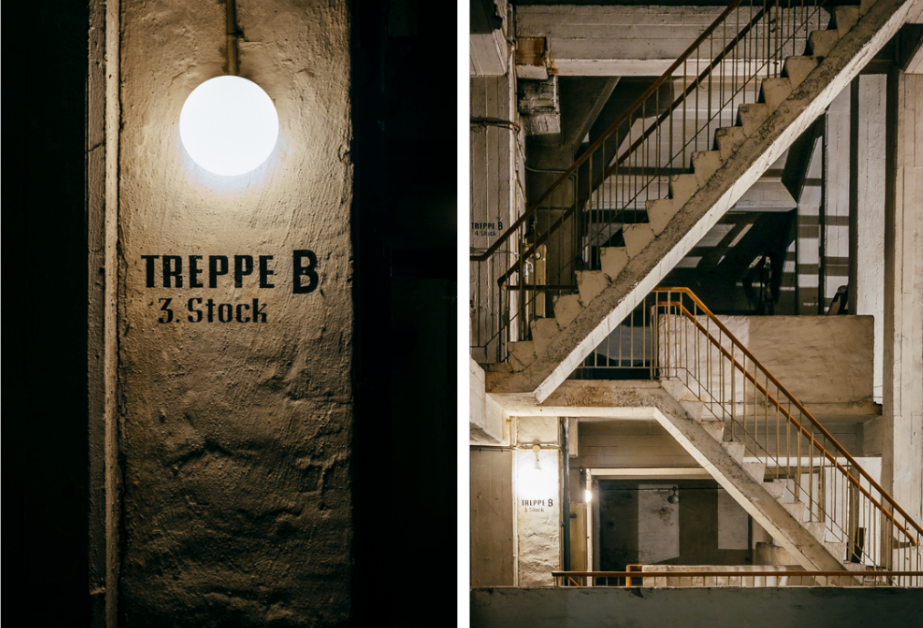
As part of Berlin Blockchain Week, and in a city known for open-source development, digital rights, advocacy, and creative experimentation, the setting reflects Summit’s blend of technology, culture, and exchange. Here, art and music are not side notes of the program, but part of its meaning, helping the event embody the values it seeks to explore: self-sovereignty, privacy, creative freedom, and collective participation.
Building Web3 for everyday life
Alongside its broader cultural framing, Web3 Summit remains grounded in practical, usable technology. Over two days, builder sessions, discussions, and activations will explore how decentralized systems can work in everyday life — enabling people to create, connect, and participate on their own terms, without giving up control of their identity, data, or privacy.
This vision runs through three core themes:
- Privacy: a condition of digital life, not an optional extra.
- Self-sovereignty: meaningful control over identity, assets, and data.
- Usability: making decentralized systems accessible, intuitive, and relevant beyond technical communities.
From privacy-preserving communication and decentralized infrastructure to new models for publishing, coordination, and digital autonomy, the Summit will focus on tools and systems that can move beyond theory and into practice.
Get involved
Are you a speaker, artist, or cultural practitioner working at the intersection of self-sovereignty, privacy, and human-centered technology? Web3 Summit is looking for voices to help shape the conversation. Apply here.
Tickets and program information are available at:
https://web3summit.com/
Web3 Summit Returns to Berlin to Reimagine Technology Around People, Not Platforms was originally published in Web3 Foundation on Medium, where people are continuing the conversation by highlighting and responding to this story.