
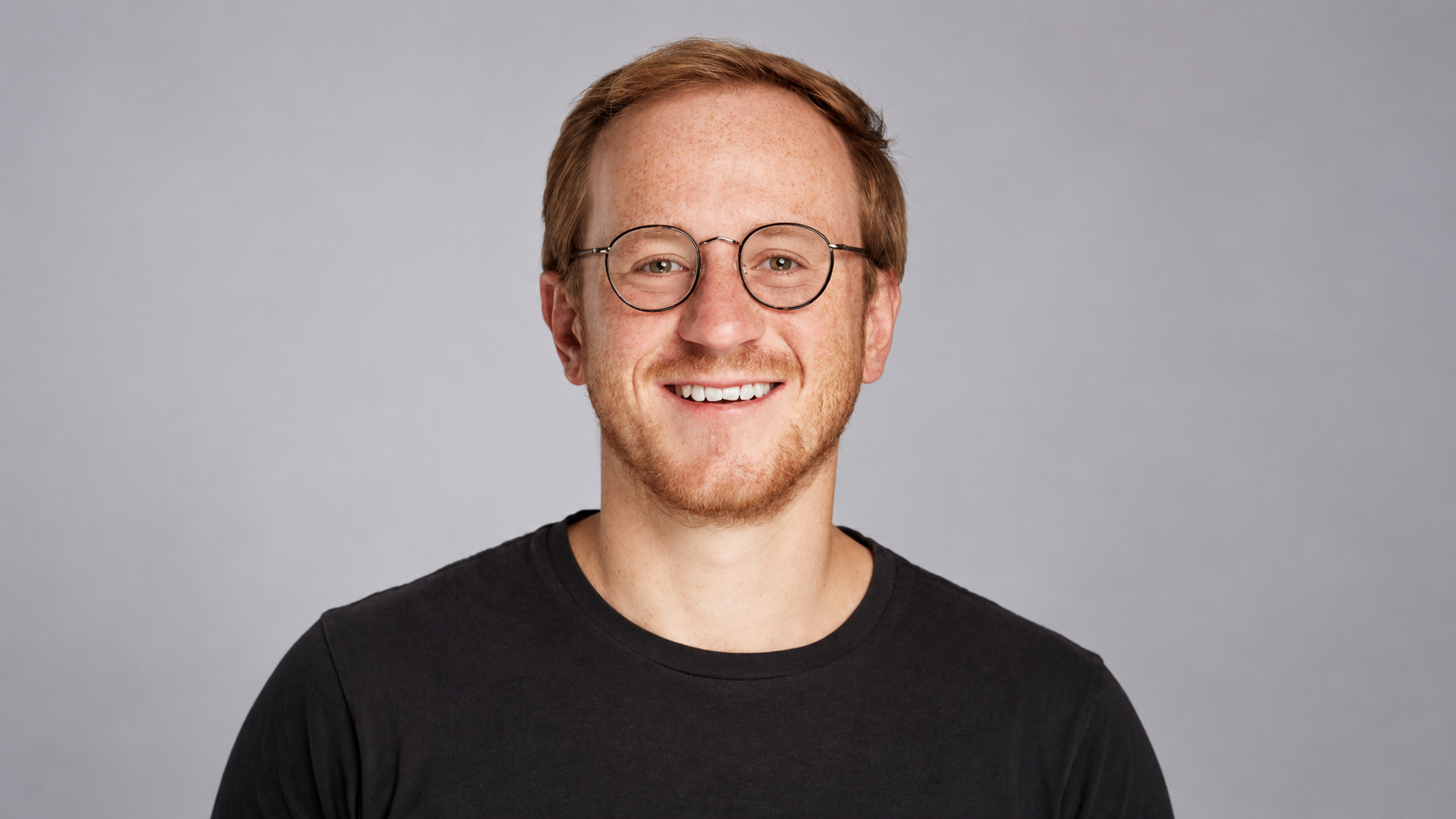
That’s where Abrams sees an opening. Open USD, he said, is designed for banking, cross-border payments, card settlement, institutional trading and lending, with an economic model built to reward the companies that drive supply and activity.
“When are stablecoins successful? It’s when they recede into the background and just become a core part of your mom’s bank account,” Abrams said.
From 140 partners to five founders
Open Standard first emerged in June with more than 140 partners across payments, banking, crypto and technology, including BlackRock, BNY and Standard Chartered.
The initial announcement rattled competitor Circle
Some analysts, however, questioned what those partnerships meant in practice and whether a consortium-like structure involving so many companies — some of them competitors — could make decisions effectively.
Abrams rejects that consortium label.
Open Standard has corporate investors, he said, but its management runs the company rather than making decisions through a committee of hundreds of participants. A much smaller group of founding partners has an ownership and governance role, while the broader network is aligned through rewards tied to their contributions to OUSD.
Coinbase